Infertility is becoming increasingly common among couples today. Many people dream of starting a family, but difficulties in conceiving can create emotional stress, confusion, and frustration. The good news is that modern medical science has made infertility treatment more advanced and successful than ever before.
Understanding the causes of infertility and knowing when to seek medical help can make a big difference. This article explains infertility in simple language so that every couple can understand the reasons behind it and explore available treatment options.
What Is Infertility?
Infertility means a couple is unable to conceive naturally even after trying for one year with regular unprotected intercourse. For women above 35 years of age, doctors usually recommend evaluation after six months of trying.
Infertility can affect both men and women. In many cases, both partners may have contributing factors.
Why Is Infertility Increasing Today?
Modern lifestyle changes are one of the biggest reasons behind rising infertility cases. Stressful jobs, unhealthy food habits, lack of exercise, delayed marriages, and increasing health conditions are affecting reproductive health.
Environmental pollution, smoking, alcohol consumption, and poor sleep patterns are also contributing factors.
Common Causes of Female Infertility
1. Polycystic Ovary Syndrome (PCOS)
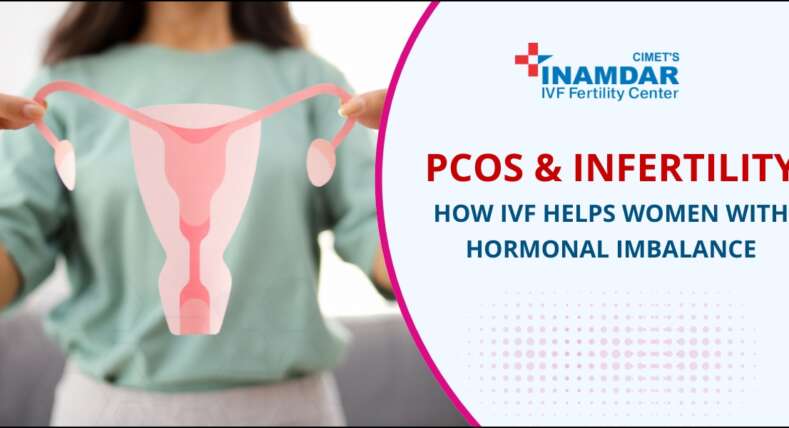
PCOS is one of the most common reasons for infertility in women. It affects hormone balance and ovulation. Women with PCOS may experience:
- Irregular periods
- Weight gain
- Acne
- Excess facial hair
- Difficulty getting pregnant
When ovulation does not happen regularly, conception becomes difficult.
2. Age-Related Fertility Decline
Many couples now plan pregnancy later in life due to career or personal reasons. However, female fertility naturally declines with age, especially after 35 years. Egg quality and quantity reduce over time, making pregnancy more challenging.
3. Blocked Fallopian Tubes
Fallopian tubes help the egg and sperm meet. If these tubes are blocked due to infection, previous surgery, tuberculosis, or endometriosis, fertilization cannot occur naturally.
4. Endometriosis
In this condition, tissue similar to the lining of the uterus grows outside the uterus. It can cause:
- Severe menstrual pain
- Pelvic pain
- Heavy bleeding
- Fertility issues
Endometriosis may affect egg quality and block reproductive organs.
5. Hormonal Imbalance
Hormones play a major role in ovulation and pregnancy. Thyroid disorders, diabetes, obesity, and high prolactin levels can disturb hormone balance and affect fertility.
Common Causes of Male Infertility
1. Low Sperm Count
A low number of healthy sperm can reduce the chances of fertilization. This is one of the most common causes of male infertility.
2. Poor Sperm Motility
Sometimes sperm are unable to swim properly toward the egg. Poor movement reduces the chances of successful conception.
3. Lifestyle Habits
Smoking, alcohol, drug use, stress, lack of sleep, obesity, and excessive heat exposure can negatively affect sperm quality.
4. Medical Conditions
Conditions such as diabetes, hormonal problems, infections, varicocele, and previous surgeries can impact male fertility.
Signs That Couples Should Not Ignore
Couples should consult a fertility specialist if they notice:
- Irregular menstrual cycles
- Painful periods
- Repeated miscarriages
- Difficulty conceiving after one year
- Low sexual desire
- Erectile dysfunction
- Known reproductive health issues
Early diagnosis improves treatment success.
Modern Infertility Treatments Available Today
Medical advancements have helped millions of couples achieve pregnancy successfully. The treatment depends on the underlying cause of infertility.
1. Lifestyle Changes
Sometimes simple lifestyle improvements can enhance fertility naturally:
- Healthy diet
- Weight management
- Regular exercise
- Stress reduction
- Avoiding smoking and alcohol
- Better sleep habits
2. Fertility Medications
Doctors may prescribe medicines to stimulate ovulation in women or improve hormonal balance in both partners.
3. IUI (Intrauterine Insemination)
In IUI treatment, healthy sperm are directly placed inside the uterus during ovulation to increase the chances of pregnancy.
IUI is often recommended for:
- Mild male infertility
- Ovulation problems
- Unexplained infertility
4. IVF (In Vitro Fertilization)
IVF is one of the most effective infertility treatments available today. In this process:
- Eggs are collected from the woman
- Sperm are combined with eggs in a laboratory
- Healthy embryos are created
- The embryo is transferred into the uterus
IVF offers hope to couples facing severe infertility issues.
5. ICSI Treatment
ICSI (Intracytoplasmic Sperm Injection) is an advanced fertility procedure where a single healthy sperm is injected directly into the egg. It is commonly used for severe male infertility cases.
6. Advanced Fertility Preservation
Modern fertility centers also offer:
- Egg freezing
- Embryo freezing
- Sperm freezing
These options help couples plan pregnancy for the future.
Emotional Support Matters During Infertility
Infertility can affect mental and emotional health. Many couples experience anxiety, stress, and depression during treatment. Open communication, family support, counseling, and guidance from experienced fertility specialists can help couples stay positive during the journey.
Can Infertility Be Prevented?
Not all infertility cases can be prevented, but maintaining a healthy lifestyle can reduce risks:
- Avoid smoking and alcohol
- Maintain healthy weight
- Exercise regularly
- Manage stress
- Get regular health checkups
- Avoid delaying pregnancy unnecessarily
Infertility is a medical condition and not a personal failure. Today, advanced fertility treatments have helped countless couples experience the joy of parenthood. Early diagnosis, proper treatment, and expert guidance can significantly improve the chances of successful pregnancy.
If you or your partner are facing difficulties in conceiving, consulting an experienced fertility specialist at the right time can make all the difference.
About Inamdar IVF Fertility Center Pune
Inamdar IVF Fertility Center Pune is dedicated to helping couples achieve their dream of parenthood through advanced fertility care and personalized treatment plans. The center offers comprehensive infertility treatments including IVF, IUI, ICSI, fertility evaluation, male and female infertility management, and advanced reproductive technologies. With experienced fertility specialists, modern facilities, and compassionate patient care, Inamdar IVF Center provides trusted infertility treatment in Pune for couples seeking expert fertility care in Pune.