Infertility can be emotionally challenging, but modern medical science offers highly effective solutions. One of the most successful treatments is In Vitro Fertilization (IVF). If you’re wondering how IVF actually helps you get pregnant, this guide explains everything in simple, easy-to-understand language.
What is IVF?
In Vitro Fertilization (IVF) is an advanced fertility treatment where fertilization happens outside the body in a laboratory. The fertilized egg (embryo) is then placed inside the uterus to achieve pregnancy.
How Does IVF Work? (Step-by-Step Process)
1. Ovarian Stimulation : Doctors give hormonal injections to stimulate the ovaries to produce multiple eggs instead of one. This increases the chances of successful fertilization.
2. Egg Retrieval : Once the eggs are mature, they are collected through a minor procedure using ultrasound guidance. This process is quick and usually painless.
3. Sperm Collection : A semen sample is collected from the male partner or donor. The healthiest sperm are selected for fertilization.
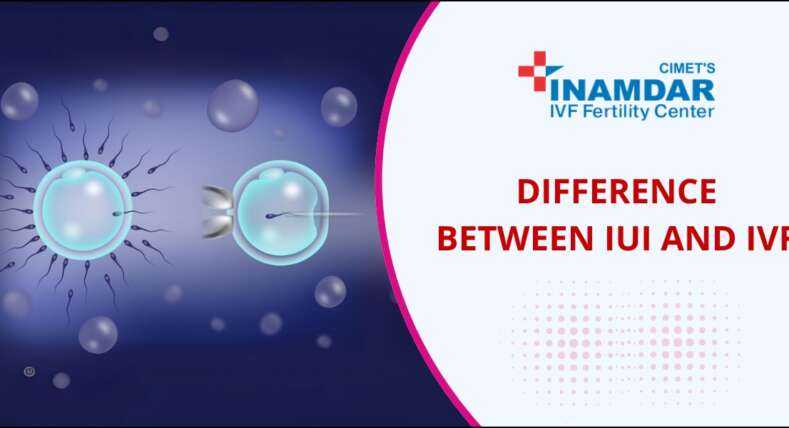
4. Fertilization : In the lab, eggs and sperm are combined. In some cases, a single sperm is directly injected into the egg (ICSI method) to improve success rates.
5. Embryo Development : The fertilized eggs grow into embryos over 3–5 days under careful monitoring by specialists.
6. Embryo Transfer : One or more healthy embryos are placed into the woman’s uterus. This is a simple and painless procedure.
7. Pregnancy Test : After about 10–14 days, a blood test confirms whether implantation was successful and pregnancy has begun.
How IVF Helps You Get Pregnant
IVF bypasses many natural barriers to pregnancy. It is especially helpful in cases such as:
- Blocked or damaged fallopian tubes
- Low sperm count or poor sperm quality
- Ovulation disorders
- Endometriosis
- Unexplained infertility
By controlling fertilization in a lab, doctors can ensure the best possible conditions for embryo development, significantly improving the chances of pregnancy.
What Are the Success Rates of IVF?
IVF success depends on several factors, including:
- Age of the woman
- Quality of eggs and sperm
- Underlying fertility issues
- Lifestyle factors
Younger women generally have higher success rates, but IVF has helped many couples conceive even in complex cases.
Is IVF Safe?
Yes, IVF is considered a safe and widely practiced procedure. Some women may experience mild side effects like bloating or discomfort due to hormonal medications, but serious complications are rare when performed by experienced specialists.
Tips to Improve IVF Success
- Maintain a healthy weight
- Eat a balanced diet
- Avoid smoking and alcohol
- Manage stress
- Follow your doctor’s instructions carefully
Emotional Support During IVF
IVF can be an emotional journey. Having strong support from family, friends, or counselors can make a big difference. Staying positive and informed helps reduce anxiety during the process.
IVF is a powerful fertility treatment that has helped millions of couples achieve their dream of parenthood. By combining advanced technology with expert care, IVF increases the chances of successful pregnancy even in challenging situations.
About Inamdar IVF Fertility Center
Inamdar IVF Fertility Center is recognized as one of the best IVF treatment centers in Fatimanagar, Pune, offering advanced fertility solutions with compassionate care. Equipped with modern technology and a team of experienced fertility specialists, the center provides personalized treatment plans to improve success rates and support couples throughout their parenthood journey.
FAQs (Frequently Asked Questions)
1. Is IVF painful?
IVF procedures are generally not painful, though mild discomfort may occur during injections or egg retrieval.
2. How long does one IVF cycle take?
An IVF cycle usually takes about 4 to 6 weeks from start to pregnancy test.
3. What is the success rate of IVF in the first attempt?
Success rates vary but typically range between 40%–60%, depending on age and health factors.
4. Can IVF guarantee pregnancy?
No, IVF cannot guarantee pregnancy, but it significantly increases the chances compared to natural methods.
5. Is bed rest required after embryo transfer?
No strict bed rest is needed; normal light activities are usually allowed unless advised otherwise by your doctor.